
ENDO-205: The New Non-Hormonal Endometriosis Treatment Changing the Conversation

Updated: Jun 4
For decades, women experiencing endometriosis, chronic pelvic pain, fatigue, bloating, painful periods, pain with exercise, infertility, and pelvic floor dysfunction have often been dismissed, misdiagnosed, or told their symptoms were simply “normal.”
Even with increasing awareness, many women still spend years navigating hormonal treatments, pain management, and surgery before receiving meaningful support. While surgery and hormonal therapies can be life-changing for some women, they are not always a permanent solution. Studies indicate the five-year recurrence rate following endometriosis surgery may reach 40–50%, with many women continuing to experience ongoing pain, fatigue, pelvic floor dysfunction, movement limitations, and reduced exercise tolerance long after treatment.
This is one reason the recent attention surrounding ENDO-205 has generated significant discussion across women’s health.
Although still investigational and only entering Phase 1 clinical trials, ENDO-205 represents a potential shift away from purely hormone-focused management toward approaches targeting inflammation, neuroimmune activity, and disease progression more directly.
More importantly, it reflects a broader change in how endometriosis is being understood:
Not simply as a reproductive condition, but as a complex systemic disease influencing inflammation, connective tissue behaviour, nervous system sensitivity, pelvic floor function, movement tolerance, recovery capacity, fatigue, and overall quality of life.
As a woman who was not diagnosed with PMDD until my 30s after years of having symptoms dismissed, and as a coach and educator working with hundreds of women experiencing endometriosis, PCOS, PMDD, pelvic floor dysfunction, and chronic pain, I understand firsthand how urgently women need better long-term support systems.
For coaches working with women, this matters.
Because many clients presenting with bloating, abdominal guarding, pelvic heaviness, hip tension, breathing dysfunction, pelvic floor symptoms, fatigue, and pain with exercise may unknowingly be dealing with the broader functional consequences of endometriosis.
And most coaches were never taught how to recognise or support that within training environments.
What Is Endometriosis?
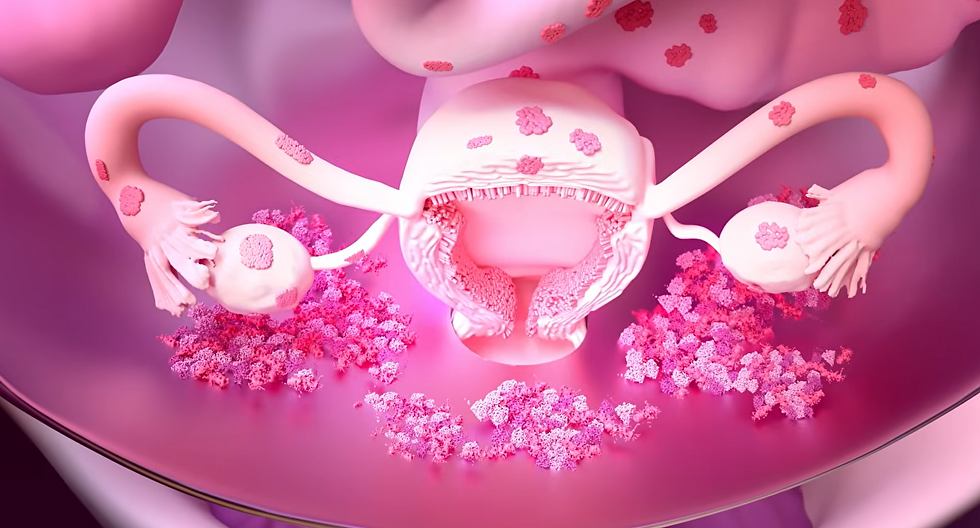
Endometriosis is a chronic inflammatory disease in which tissue resembling the endometrium implants and grows outside the uterus.
These lesions are most commonly found within the pelvic cavity, including the ovaries, uterosacral ligaments, rectovaginal space, bladder, bowel, and peritoneum. However, endometriosis has also been identified in more distant tissues including the diaphragm, abdominal wall, gluteal musculature, and surgical scar tissue, and, in rare cases, within the brain, liver, lungs, and even in men.
Historically, endometriosis was viewed primarily as a gynecological disease driven by misplaced endometrial tissue. While ectopic tissue growth remains central to the condition, modern research demonstrates that endometriosis is far more complex.
It is now understood as a multifactorial disease involving:
chronic inflammation
altered immune system behaviour
aberrant estrogen signalling
nervous system sensitisation
fibrosis and adhesions
altered vascular growth
altered connective tissue mechanics
changes in pain processing
Endometriosis is also commonly classified into stages using the revised American Society for Reproductive Medicine (rASRM) system:
Stage I (Minimal): Small superficial implants with limited inflammation or adhesions.
Stage II (Mild): More numerous or slightly deeper lesions.
Stage III (Moderate): Deeper implants, ovarian involvement, and partial adhesions.
Stage IV (Severe): Extensive deep infiltrating lesions, dense adhesions, large endometriomas, and significant anatomical distortion.
These stages are based on lesion size, lesion depth, adhesions, and anatomical involvement. However, this classification system was designed primarily to describe surgical findings and fertility-related outcomes, not symptom severity.
This complexity helps explain why symptom severity often does not correlate with lesion size or disease stage.
Some women with extensive Stage IV disease may experience relatively minimal pain, while others with Stage I disease experience debilitating pelvic pain, fatigue, bowel dysfunction, dyspareunia, urinary symptoms, exercise intolerance, and reduced quality of life.
This disconnect between lesion severity and symptom severity is one of the most important concepts for coaches and clinicians to understand.
The pain associated with endometriosis is not solely produced by the lesions themselves.
Research demonstrates that pain may also arise from:
inflammatory cytokine activity
prostaglandin overproduction
peripheral nerve irritation
central sensitisation
fibrosis and tissue restriction
altered pelvic floor muscle behaviour
mechanical tension through surrounding fascia and connective tissues
Over time, many women develop protective neuromuscular strategies around the pelvis, abdomen, diaphragm, lumbar spine, and hips. These compensatory patterns may contribute to breathing dysfunction, pelvic floor overactivity, altered pressure regulation, reduced movement variability, and increased sensitivity to load.
This is one reason many women with endometriosis struggle with activities such as:
running
jumping
heavy lifting
rotational loading
prolonged standing
deep hip flexion positions
high intra-abdominal pressure tasks
Importantly, endometriosis is highly prevalent.
Current estimates suggest:
approximately 1 in 9 women globally are affected
prevalence may reach 20–50% in women with infertility
endometriosis is identified in up to 71–87% of women with chronic pelvic pain
Genetics also play a significant role, contributing to approximately 50% of disease risk, with women who have a first-degree relative affected demonstrating a substantially increased likelihood of developing the condition themselves.
Despite its prevalence, diagnosis delays remain common, with many women spending years being misdiagnosed or having symptoms normalised before receiving appropriate investigation and support.
For coaches, this matters because many clients presenting with “tight hips,” recurrent low back pain, abdominal tension, poor pressure tolerance, pain with exercise, fatigue, or pelvic floor symptoms may unknowingly be dealing with the downstream consequences of endometriosis.
Understanding the condition changes how training, recovery, exercise selection, load management, breathing mechanics, and pelvic floor rehabilitation should be approached.
Why Endometriosis Commonly Affects Pelvic Floor Function
One of the most overlooked aspects of endometriosis management is the relationship between chronic pain, protective movement behaviour, and pelvic floor dysfunction.
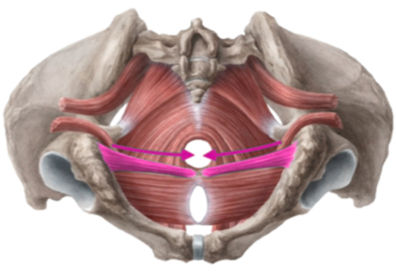
In many women with endometriosis, the pelvic floor is not simply “weak.” Instead, the system often becomes chronically overactive, guarded, or poorly coordinated in response to persistent inflammation, pain, sensitisation, and altered movement strategies. This is a protective adaptation by the nervous system, not necessarily a primary muscular deficit.
As pain persists, the body frequently changes how it breathes, braces, transfers load, and controls movement. These adaptations may initially reduce perceived threat or discomfort, but over time they can contribute to increased tissue tension, altered pressure regulation, reduced movement variability, and ongoing symptom provocation.
Because the pelvic floor functions as part of an integrated pressure and movement system, it is highly influenced by these compensatory strategies.
The pelvic floor works in constant coordination with the diaphragm, abdominal wall, spine, ribcage, hips, and surrounding fascial networks to regulate intra-abdominal pressure, absorb load, support the pelvic organs, and contribute to movement efficiency. When chronic pain alters one component of this system, the mechanics and behaviour of the pelvic floor are also affected.
For example, women with endometriosis commonly develop altered breathing mechanics, including reduced diaphragmatic expansion and increased apical or chest-dominant breathing patterns. Others may excessively brace the abdominal wall during movement, reduce trunk rotation, grip through the glutes or hip musculature, or adopt rigid movement strategies during lifting and exercise. Many unconsciously avoid positions or tasks that increase intra-abdominal pressure, such as running, jumping, deep hip flexion, or heavy loading.
Over time, these strategies can reduce the pelvic floor’s ability to appropriately lengthen, recoil, and coordinate dynamically with movement and respiration.
This helps explain why women with endometriosis may present with symptoms such as:
pelvic pain
dyspareunia (painful intercourse)
urinary urgency or frequency
constipation or incomplete emptying
pressure or heaviness sensations
pain during exercise
breathing dysfunction
hip and low back pain
abdominal wall tension or guarding
Importantly, these symptoms are not always indicative of weakness. In many cases, the primary issue is excessive tension, altered neuromuscular timing, poor relaxation capacity, or reduced adaptability of the system under load.
This is one reason simplistic recommendations such as “just strengthen the pelvic floor” are often insufficient, and in some cases may aggravate symptoms further.
Understanding this relationship is critical for coaches and clinicians working with women with endometriosis. Exercise selection, breathing mechanics, load management, movement variability, recovery strategies, and pelvic floor coordination all influence symptom behaviour and training tolerance.
This is also why pelvic floor dysfunction and endometriosis so frequently coexist.
The Growing Attention Around ENDO-205
Historically, endometriosis treatment has focused heavily on hormonal suppression.
Current medical management commonly includes oral contraceptives, progestins, GnRH agonists, GnRH antagonists, surgical excision, and pain management strategies aimed at reducing symptoms and slowing disease activity. While these interventions can be highly beneficial for some women, they also present limitations and are not universally tolerated or effective.
Many women discontinue hormonal treatment due to side effects such as mood changes, migraines, reduced libido, fatigue, metabolic changes, or concerns surrounding bone density and fertility preservation. Others continue to experience persistent pain and functional impairment despite surgery or pharmaceutical intervention.
This is one reason the recent development of ENDO-205 has generated significant attention within the endometriosis space.
ENDO-205 is an investigational first-in-class, non-hormonal peptide therapeutic currently being developed by EndoCyclic Therapeutics. Unlike traditional hormonal approaches that primarily aim to suppress ovarian hormone activity, ENDO-205 is being investigated for its potential to directly target endometriosis lesions themselves.
According to early company data, the therapeutic is being explored as a targeted treatment designed to selectively act on diseased tissue while potentially preserving fertility and avoiding systemic hormonal suppression. Preclinical findings have suggested the possibility of reducing or eliminating endometriotic lesions at their origin, which has contributed to growing excitement surrounding the therapy.
Importantly, however, ENDO-205 is still in the very early stages of development.
In March 2026, the FDA cleared the company’s Investigational New Drug (IND) application, allowing the therapy to proceed into Phase 1 clinical trials. These initial trials are designed primarily to evaluate safety, tolerability, dosing, and pharmacological behaviour in healthy premenopausal women of reproductive age, not yet long-term efficacy in women with confirmed endometriosis.
This distinction matters.
At present, there is no definitive evidence that ENDO-205 will become an approved treatment, nor is it possible to determine how effective it may ultimately be across the diverse presentations of endometriosis. Drug development is complex, and many promising therapies fail to progress through later-stage trials due to limitations in efficacy, safety, scalability, or long-term outcomes.
As a result, it may still be several years before clinicians and patients have clear answers regarding its true clinical role.
Nevertheless, the significance of ENDO-205 extends beyond the molecule itself.
What makes this development notable is the broader shift it represents in how endometriosis is increasingly being understood.
Rather than viewing endometriosis purely as a hormonal condition requiring suppression of the menstrual cycle, newer research directions are increasingly exploring:
inflammatory pathways
immune dysfunction
neuroinflammation
fibrosis and adhesions
altered vascular signalling
lesion-specific activity
pain sensitisation mechanisms
disease progression pathways
This reflects a growing recognition that endometriosis is not simply a reproductive disorder. It is a systemic inflammatory and neuroimmune condition with musculoskeletal, connective tissue, metabolic, neurological, and pelvic floor implications.
For many women, that distinction is important.
It acknowledges the lived experience of women whose symptoms extend far beyond menstruation alone, including fatigue, bowel dysfunction, pelvic floor dysfunction, exercise intolerance, persistent pain, and nervous system sensitisation.
For coaches and rehabilitation professionals, this shift in conversation is equally relevant.
Even if future medical therapies improve lesion management or symptom severity, women with endometriosis will still require support with movement, exercise tolerance, breathing mechanics, pelvic floor function, recovery, load management, and nervous system regulation.
Medical treatment alone does not automatically restore:
movement confidence
pelvic floor coordination
pressure management
strength tolerance
exercise capacity
fatigue resilience
breathing mechanics
load tolerance
This is where appropriately educated fitness professionals can play an important role within scope of practice.
Understanding how endometriosis influences movement behaviour, pain responses, pelvic floor function, and exercise adaptation allows coaches to support women more effectively alongside medical care, not in place of it.
What Can Personal Trainers Actually Do?
This is where many coaches feel uncertain. They understand how to coach strength, hypertrophy, conditioning, and body composition, yet many have never been formally educated on how chronic pelvic pain, endometriosis, or pelvic floor dysfunction influence movement behaviour and exercise tolerance.
As a result, many women continue training while experiencing symptoms that are either normalised or misunderstood. Some stop lifting entirely. Others continue pushing through symptoms because they believe discomfort, pressure, or leakage are expected consequences of exercise.
Neither extreme is ideal.
The goal is improving how women tolerate training which, requires coaches to understand how movement mechanics, breathing strategy, recovery, exercise selection, and load management influence the pelvic floor and broader pressure system.
Personal trainers are not responsible for diagnosing or treating endometriosis.
However, they are directly responsible for:
exercise selection
load management
movement strategy
recovery programming
communication within training environments
recognising when referral is appropriate
These factors significantly influence symptom response.
Research consistently supports the importance of physical activity for:
metabolic health
mental health
inflammatory regulation
bone density
cardiovascular function
quality of life
pain modulation
The challenge is applying exercise appropriately.
Exercise Should Be Adaptive
Women with endometriosis often fluctuate in:
fatigue
pain sensitivity
abdominal bloating
pressure tolerance
recovery capacity
movement confidence
Programming must account for this variability.
Rigid high-intensity approaches without adjustment can increase symptom flares in some individuals.
Conversely, complete avoidance of loading may reduce overall capacity and increase fear surrounding movement.
The goal is graded exposure and intelligent progression.
This may include:
modifying impact volume
adjusting load
changing body position
altering tempo
managing pressure demands
improving breathing strategy
improving recovery allocation
Importantly, exercise selection should consider how movements influence intra-abdominal pressure and pelvic floor demand.
Pelvic Floor P-Rehabilitation
One of the most valuable areas coaches can support in women with endometriosis is pelvic floor preventative rehabilitation, or what I often refer to as “P-Rehabilitation.”
I originally learnt this concept from a physiotherapist mentor of mine who developed a series of courses focused on preventing the need for rehabilitation through earlier intervention, movement education, and proactive programming strategies. Rather than waiting until significant dysfunction, pain, or injury develops, the goal is to identify contributing factors early and improve the system’s ability to tolerate load, movement, and life stressors more efficiently.
This concept is particularly relevant in endometriosis.
As discussed throughout this article, many women with endometriosis develop altered breathing strategies, excessive muscular guarding, pelvic floor overactivity, reduced movement variability, and changes in pressure regulation long before a formal pelvic floor dysfunction diagnosis is ever made.
For this reason, pelvic floor support should not begin only after symptoms become severe.
Preventative rehabilitation focuses on improving the quality, adaptability, and coordination of the entire lumbopelvic system before more significant dysfunction develops.
This may involve improving:
breathing mechanics
ribcage and pelvic positioning
pressure management strategies
hip and trunk control
movement variability
load tolerance
coordination between the diaphragm, abdominal wall, and pelvic floor
Importantly, this is not simply prescribing isolated pelvic floor contractions.
In many women with endometriosis, the issue is not a lack of activation ability, but rather excessive tension, poor relaxation capacity, altered timing, or protective bracing strategies that developed in response to chronic pain and inflammation.
As a result, blindly cueing women to constantly “engage the core” or “squeeze the pelvic floor” may reinforce the very patterns contributing to symptoms.
Instead, coaches can play an important role by helping women learn how to coordinate breath with movement, reduce unnecessary bracing, restore dynamic pelvic motion, improve tolerance to intra-abdominal pressure changes, and progressively rebuild confidence under load.
This becomes especially important during higher-demand tasks such as:
heavy lifting
running
jumping
rotational movement
core training
return-to-training phases following symptom flare-ups or surgery
When approached appropriately, preventative pelvic floor rehabilitation is not about avoiding movement. It is about improving the body’s ability to adapt to movement with less threat, less compensation, and greater efficiency.
For women with endometriosis, this can have significant implications not only for pelvic floor symptoms, but also for exercise tolerance, confidence, recovery, and long-term quality of life.
What Personal Trainers Can Actually Do
One of the biggest misconceptions surrounding endometriosis is that coaches have little role outside of “being careful” with training.
In reality, educated exercise professionals can significantly influence movement confidence, exercise tolerance, recovery, load management, and pelvic floor function in women living with endometriosis.
This does not mean diagnosing or treating the condition. It means understanding how chronic pain, inflammation, fatigue, pelvic floor behaviour, and movement adaptations influence how women tolerate exercise and recover from it.
For many women, symptom aggravation is not simply related to exercise intensity, but to how pressure, tension, breathing, and load are managed throughout movement.
Breathing and Pressure Management
Poor pressure regulation is one of the most overlooked contributors to symptom aggravation. Women with chronic pelvic pain commonly develop protective strategies such as breath holding, upper chest breathing, abdominal rigidity, and excessive bracing. While these may initially feel stabilising, over time they can increase downward pressure, pelvic floor demand, and movement inefficiency. Coaches should understand how breathing mechanics, bracing strategies, posture, and movement patterns influence pressure distribution throughout the lumbopelvic system. Practical coaching strategies may include:
reducing unnecessary breath holding during lifts
improving diaphragmatic breathing and ribcage expansion
teaching coordinated exhalation under effort
reducing excessive abdominal gripping
progressively improving pressure tolerance under load
modifying consistently provocative exercises
These factors directly influence how women tolerate lifting, running, impact, rotation, and core training.
Strength Training and Exercise Selection
Resistance training remains highly beneficial for musculoskeletal health, metabolic function, bone density, confidence, pain modulation, and long-term function. The difference lies in how it is programmed. Rather than avoiding load, the goal is to improve the woman’s ability to tolerate load with fewer compensatory strategies. This requires consideration of symptom response, fatigue, movement quality, pressure management, recovery capacity, and pelvic floor coordination. Practical strategies may include:
adjusting load during symptom flare-ups
modifying high-pressure exercises when required
improving movement variability rather than rigid mechanics
progressively rebuilding tolerance to impact and load
improving hip, trunk, and ribcage movement options
monitoring fatigue and recovery capacity
reducing excessive gripping through the hips, glutes, or abdominal wall
For some women, improving exercise tolerance may involve changing movement strategy rather than removing exercise entirely.
Nutrition and Recovery Support
While nutrition cannot cure endometriosis, it may influence inflammation, recovery, gastrointestinal symptoms, energy availability, and exercise tolerance. Many women with endometriosis experience bloating, fatigue, altered appetite, gastrointestinal discomfort, and fluctuating energy levels, all of which can affect movement, breathing mechanics, and recovery. Key coaching considerations may include:
identifying signs of chronic under-fuelling
supporting adequate protein intake for recovery
encouraging sufficient energy availability
recognising how GI symptoms affect exercise tolerance
supporting meal timing around training when appropriate
referring to qualified professionals when outside scope
Emerging evidence continues to explore the role of anti-inflammatory dietary patterns, including omega-3 fatty acids, fibre, antioxidant-rich foods, and Mediterranean-style nutrition in symptom management.
For many women, this support can be the difference between avoiding movement and rebuilding confidence in it.

The Industry Gap
Despite the prevalence of endometriosis and pelvic floor dysfunction, most fitness education still provides very limited practical education on how female physiology interacts with movement, pressure regulation, chronic pain, fatigue, breathing mechanics, and exercise tolerance.
Many coaches are highly competent at prescribing strength and conditioning programs, yet feel uncertain when a client reports:
pelvic heaviness or pressure
urinary leakage
painful intercourse
bloating or abdominal tension
hip or low back discomfort
pain during running or lifting
difficulty tolerating core exercises
fluctuating fatigue and recovery
These symptoms are extremely common in women, particularly in those living with endometriosis, chronic pelvic pain, pregnancy-related changes, or pelvic floor dysfunction. However, most coaches are never taught how to interpret these presentations within a movement environment.
As a result, the industry often falls into two unhelpful extremes.
The first is ignoring symptoms entirely and continuing to train women as though pelvic floor function, pressure management, and female-specific physiology are irrelevant to performance and recovery.
The second is over-medicalising movement, where women are unnecessarily told to avoid lifting, impact, core training, or exercise altogether out of fear.
Neither approach adequately supports women.
The solution is not fear-based coaching or attempting to diagnose pathology outside scope of practice.
The solution is evidence-informed coaching that understands how movement systems, breathing mechanics, pelvic floor behaviour, load management, and symptom presentation interact.
This becomes particularly important in women with endometriosis because many continue training while simultaneously managing chronic inflammation, pain sensitisation, fatigue, pelvic floor overactivity, gastrointestinal symptoms, and altered movement strategies.
Many women continue:
lifting
running
working
parenting
competing
functioning
while managing significant symptoms privately.
For coaches, understanding this changes programming decisions completely. Exercise selection, bracing strategy, breathing mechanics, recovery management, movement variability, and pressure tolerance all begin to matter in a different way.
Importantly, this does not mean women are fragile.
It means women deserve coaching models that better reflect the complexity of female physiology and female movement presentations.
The growing attention surrounding endometriosis, pelvic health, and emerging investigations such as ENDO-205 reflects a broader shift occurring across women’s healthcare. There is increasing recognition that many female-specific conditions are multifactorial, systemic, and influenced by neurological, hormonal, inflammatory, mechanical, and psychosocial factors simultaneously.
The fitness industry must evolve alongside this shift.
Women deserve coaches who understand:
pelvic floor function beyond “Kegels”
breathing and pressure regulation
symptom-informed programming
female-specific recovery considerations
integrated movement mechanics
chronic pain presentations
preventative pelvic floor strategies
exercise modification without fear avoidance
Not because coaches diagnose disease, but because exercise environments directly influence how women experience movement, load, symptoms, confidence, and long-term function.
This is where education in functional pelvic floor coaching becomes increasingly valuable.
The Functional Pelvic Floor Coach™ Mentorship
The fitness industry has spent years teaching coaches to train women using systems largely built around male physiology and oversimplified pelvic health advice.
“Do your Kegels.”
“Brace harder.”
“Strengthen your core.”
Yet women are still leaking during lifts.
Still experiencing heaviness, pressure, pain, and fear around movement.
Still avoiding running, jumping, lifting, or intimacy because nobody explained what was actually happening.
And coaches see it every day:
leakage during exercise
chronic hip tension
abdominal gripping
pressure symptoms
breathing dysfunction
recurring low back pain
clients fearful of load or impact
But most certifications never teach how pelvic floor function integrates with breathing, pressure regulation, fascia, movement mechanics, and female physiology.
So coaches are left guessing.
Or unintentionally reinforcing dysfunction through outdated cues, excessive bracing, poor exercise selection, and generic programming.
The Functional Pelvic Floor Coach™ 12-Week Mentorship was developed to change that.
This mentorship bridges the gap between pelvic health, biomechanics, movement, and real-world coaching application.
Not through fear-based coaching.And not by teaching women they are fragile.
But by helping coaches understand how the female body actually responds to load, pressure, pain, fatigue, hormones, and exercise environments.
Inside the mentorship, coaches learn:
pelvic floor function under load
breathing and pressure management
female biomechanics and movement strategies
pelvic floor dysfunction presentations
exercise modification and programming
fascia and integrated movement systems
endometriosis and chronic pelvic pain considerations
prevention-focused rehabilitation (“P-Rehab”) principles
Importantly, this is a guided mentorship — not just prerecorded content.
Coaches are supported through implementation, case application, programming integration, and real-world coaching scenarios.
Because understanding information is one thing.
Applying it confidently with real women is another.
The mentorship approaches pelvic floor function as part of an integrated system involving:
the diaphragm
abdominal wall
hips and spine
breathing mechanics
pressure regulation
nervous system behaviour
movement variability
Because women do not move in isolation.And dysfunction rarely occurs in isolation either.
For coaches working with women, this knowledge is rapidly becoming essential.
Women are actively searching for coaches who understand their bodies beyond aesthetics and generic programming.
If you want to confidently support:
pelvic floor function
endometriosis considerations
movement under load
breathing and pressure management
symptom-informed programming
female-specific recovery and performance
the Functional Pelvic Floor Coach™ Mentorship was designed for you.
Book a call to learn more about the 12-week mentorship and how to integrate pelvic health principles into real coaching environments.
Because women deserve more than outdated pelvic floor advice and coaches guessing their way through symptoms.
References


Comments